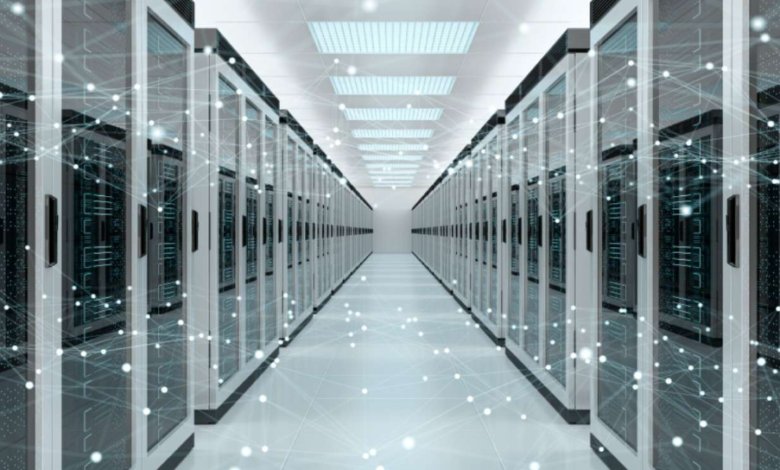
In today’s fast-paced digital world, businesses are under constant pressure to manage vast amounts of data efficiently. Traditional datacenter setups often come with high costs, limited scalability, and time-consuming deployment processes. This is where the datacenter container emerges as a game-changer, offering a flexible, modular, and cost-effective solution for modern IT infrastructure.
What is a Datacenter Container?
A datacenter container is essentially a self-contained unit designed to house IT infrastructure, including servers, storage systems, and networking equipment, in a standardized shipping container or modular enclosure. Unlike conventional datacenters, which require large buildings, complex construction, and extended setup times, datacenter containers are prefabricated and can be deployed quickly almost anywhere. They are engineered for mobility, efficiency, and scalability, making them ideal for enterprises that need rapid data deployment solutions.
See also: Transforming Small Spaces: Clever Bathroom Remodeling Techniques for Maximizing Functionality
Key Features of Datacenter Containers
- Modularity and Scalability
Datacenter containers are modular, which means organizations can add or remove containers depending on their computing needs. This modular approach allows businesses to scale operations efficiently without investing in permanent infrastructure. - Rapid Deployment
Unlike traditional datacenters that may take months or even years to construct, datacenter containers can be deployed within weeks. This speed is particularly beneficial for businesses in urgent need of additional computing power. - Energy Efficiency
Modern datacenter containers are designed with energy efficiency in mind. Many include advanced cooling solutions, such as liquid cooling or hot/cold aisle containment, to optimize power usage while maintaining optimal performance. - Portability
Since they are built within standardized containers, these datacenters can be transported easily to different locations. This feature is invaluable for organizations that operate in remote areas, disaster recovery sites, or temporary project locations. - Security and Reliability
Datacenter containers are equipped with physical security measures and can be designed to meet high availability standards. Redundant power supplies, backup generators, and robust monitoring systems ensure that operations remain uninterrupted.
Advantages of Using Datacenter Containers
- Cost-Effective: Reduced construction costs and minimal maintenance make datacenter containers more affordable than traditional datacenters.
- Flexibility: Easily upgradeable and deployable based on business demands.
- Disaster Recovery Ready: Portable nature ensures rapid deployment in disaster-stricken areas.
- Environmentally Friendly: Optimized energy usage and reduced carbon footprint.
Use Cases of Datacenter Containers
- Edge Computing
Datacenter containers are ideal for edge computing applications, providing localized computing power close to end-users to reduce latency and enhance performance. - Temporary or Seasonal Projects
Businesses requiring temporary infrastructure, such as large events, construction projects, or research expeditions, can benefit from these deployable units. - Remote Locations
Mining operations, oil rigs, or remote campuses often need robust IT infrastructure where conventional datacenters are impractical. - Disaster Recovery
In the event of natural disasters, datacenter containers can serve as emergency backup systems, ensuring continuity of operations.
Challenges and Considerations
While datacenter containers offer numerous benefits, there are some challenges to consider:
- Cooling Limitations: In extreme climates, maintaining optimal temperatures may require additional cooling solutions.
- Capacity Constraints: Physical space inside a container is limited, which can restrict expansion within a single unit.
- Network Connectivity: High-speed network access is essential, and remote areas may require additional setup for connectivity.
FAQs About Datacenter Containers
Q1: How long does it take to deploy a datacenter container?
A: Deployment can typically be completed within a few weeks, depending on the complexity of the setup and the IT requirements.
Q2: Are datacenter containers suitable for large-scale enterprises?
A: Yes, especially when used in clusters or modular setups, datacenter containers can support large-scale enterprise workloads.
Q3: Can datacenter containers be used in extreme climates?
A: With proper cooling and environmental control systems, datacenter containers can operate in both hot and cold environments.
Q4: How secure are datacenter containers?
A: They can be equipped with advanced security measures, including surveillance systems, biometric access, and reinforced structures to ensure data safety.
Q5: What is the lifespan of a datacenter container?
A: Depending on usage, maintenance, and environmental conditions, a well-maintained datacenter container can last 10–15 years or more.
Conclusion
The datacenter container represents a transformative approach to modern IT infrastructure. Its modularity, rapid deployment, and cost-effectiveness make it an attractive solution for businesses of all sizes. Whether for edge computing, disaster recovery, or temporary deployments, datacenter containers provide flexibility and reliability that traditional datacenters struggle to match. As data demands continue to grow exponentially, adopting containerized datacenter solutions will become increasingly essential for organizations aiming to stay agile, efficient, and competitive.